Top 7 Myths About Art Therapy (overheard in Brooklyn)
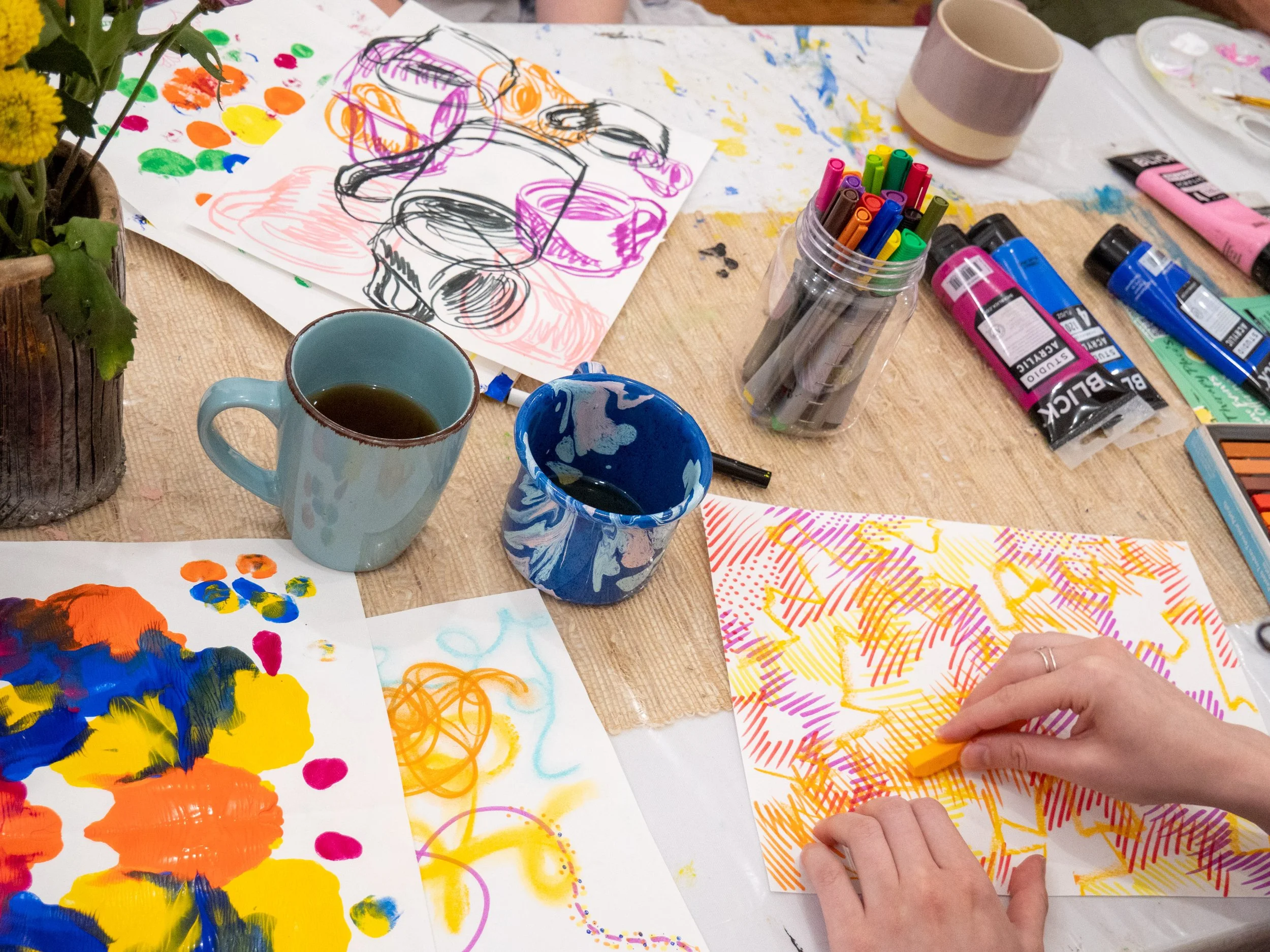
Expressive Arts Therapy Session in our Brooklyn Studio
New Yorkers are Healing with Art Therapy every day
If you're searching for art therapy in New York, you may be wondering whether it's actually right for you. New York City is full of creative people, but it's also full of hard working professionals, teachers, entrepreneurs, healthcare workers, and leaders who spend so much energy taking care of everything else that they forget to care for themselves. Maybe you've heard of art therapy but assumed it's only for children, or that you need to be "good at art" or a creative to benefit.
As an art therapist in Brooklyn, these are some of the most common myths I hear from prospective clients over the years.
Let's separate fact from fiction so you can decide whether creative arts therapy might be a good fit for your mental health treatment.
Myth #1: Art Therapy Is Only for Kids
One of the biggest misconceptions about art therapy for adults is that it's something usually reserved for children.
While children often organically express themselves through play and art, adults benefit just as much from creative expression. In our practice, we work with adults navigating anxiety, burnout, trauma, depression, chronic pain, relationship challenges, life transitions, and creative blocks due to battles with inner critics. Many clients haven't picked up a paintbrush since elementary school, and that's perfectly okay and part of the appeal.
Art therapy offers another language when words don't fully capture your experience or talking doesn’t relieve the symptoms. Art therapy offers an opportunity for adults to relax and explore inward.
Myth #2: You Have to Be Good at Art
This is probably the number one thing people tell me.
"I'm terrible at drawing. I can’t make art"
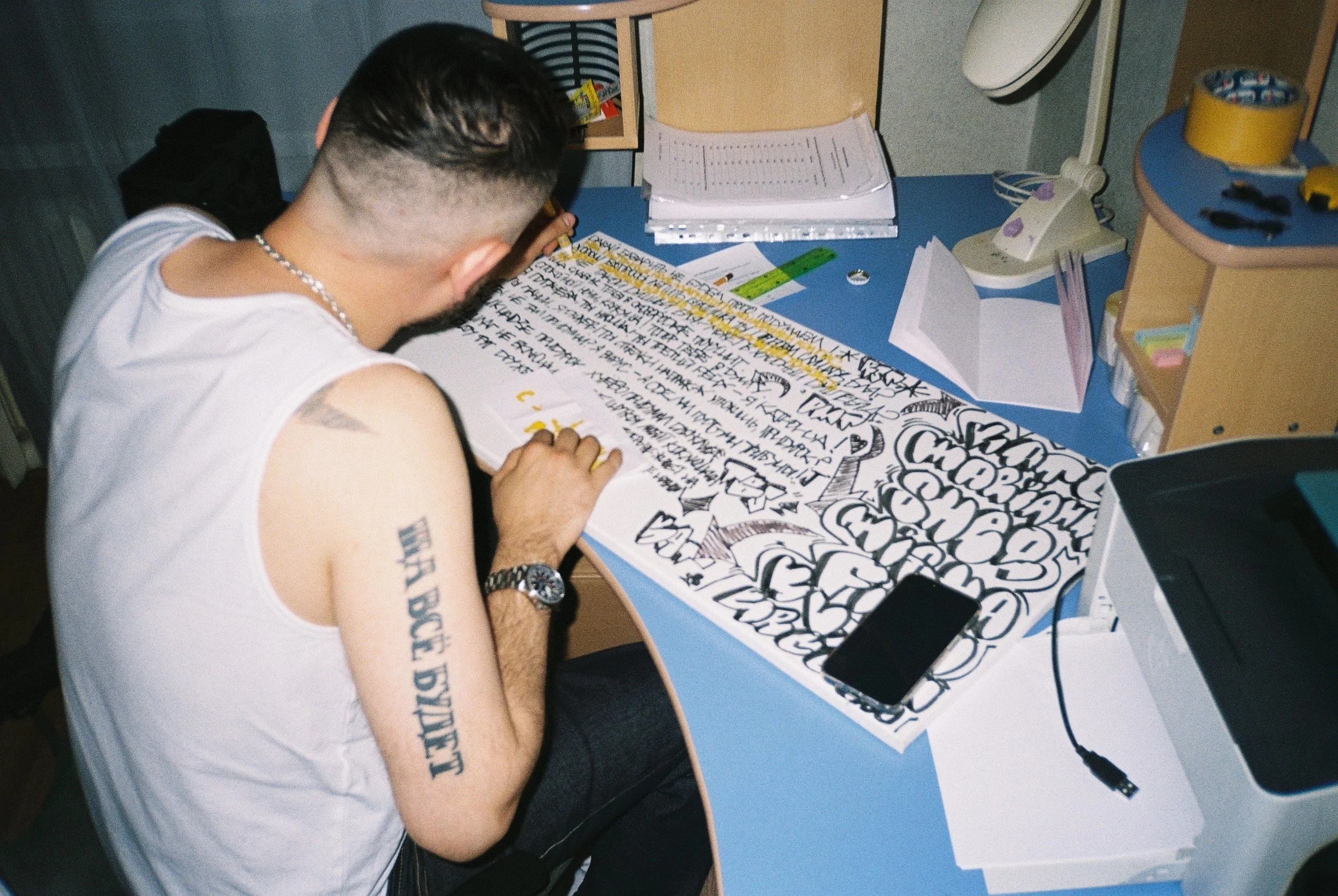
Find Your Voice through Art Therapy Sessions in Brooklyn and online in NY
The good news?
You don't need artistic talent whatsoever.
Art therapy isn't about creating something beautiful or technically impressive. It's about using the creative process to better understand your thoughts, emotions, and patterns and to enter a calming state of flow.
Stick figures are welcome.
So are messy paintings.
So are ripped-up magazine photos.
We can capture the essence of an idea with abstract art or use accessible art supplies like collage to start.
Myth #3: Art Therapy Is Just Coloring or Doodling
Many people imagine art therapy as simply coloring in a mandala.
Creative Arts Therapy is much broader than that and is a clinically rigorous discipline.
Depending on your goals, we may explore:
🎨 Painting and drawing
🧱 Clay and sculpture
✂️ Collage
📸 Photography
💻 Digital art
✍️ Creative writing
📖 Poetry
🎭 Role play
🎵 Music and guided imagery
🧘 Mindfulness and creative meditations
Each intervention is thoughtfully chosen to support your therapeutic goals, not simply because it's fun or relaxing.
There are evidence based art techniques backed by research such as: bilateral scribble drawing, safe place art, body mapping and more.
Creative arts therapy or expressive arts therapy also includes:
Drama Therapy, Music Therapy, Dance & Movement Therapy, Creative Writing & Poetry.
Myth #4: Art Therapy Can't Help with Trauma or Mental Health Conditions

Creative Arts Therapy is a Licensed Profession in NY since 2006 along with Psychoanalysis
Art therapy is an evidence-based mental health treatment used in hospitals, schools, rehabilitation centers, veterans' programs, cancer centers, psychiatric settings, and private practices.
Research shows that creative expression can support people struggling with:
Trauma and C-PTSD
Anxiety, OCD, Perfectionism
Autism, ADHD and Neurodiversity
Depression and Existential conflicts
Burnout
Grief and Loss
Chronic illness
Life transitions
Relationship building skills
Sometimes trauma and pain is stored in ways that are difficult to put into words. Creative processes can provide another pathway for exploring emotions and healing the body while working alongside a trained therapist who can balance the sessions with expert guidance.
The art therapy process can promote neuroplasticity and mind-body connection.
Myth #5: Art Therapy Is Only a "Bonus" to Real Therapy
Art therapy is psychotherapy.
As a Licensed Creative Arts Therapist (LCAT), the work combines psychotherapy with clinical creative interventions.
Sometimes sessions involve creating art.
Sometimes they're primarily talk therapy.
Sometimes we move fluidly between both.
The art making isn't separate from the therapy, it becomes part of the therapeutic conversation.
Research studies and more info can be found at The American Art Therapy Association .
Myth #6: You Have to Share Your Artwork
Another common fear is:
"What if I make something really personal?"
You always have a choice and will be empowered to decide in art therapy sessions:
whether to create that session
what materials to use
how much to share
what your artwork means
where to store it or destroy it
Art therapy isn't about interpreting your drawings like a personality test.
Your perspective matters most, and we'll explore the artwork together at a pace that feels comfortable using open ended questions.
Myth #7: Art Therapy Is Only for Artists
Ironically, many of my clients don't consider themselves creative at all.
Some work in finance.
Others are teachers.
Healthcare professionals.
Engineers.
Parents.
Lawyers.
Accountants.
You don't need to identify as an artist to benefit.
In fact, reconnecting with creativity can help people uncover their curiosity, imagination, flexibility, self-compassion, and joy…qualities that often get pushed aside during periods of work/life stress or burnout. Space for creative expression can lead to peace, insight and overall wellbeing.
What Does an Art Therapy Session in Brooklyn Actually Look Like?
Every session is tailored to your goals.
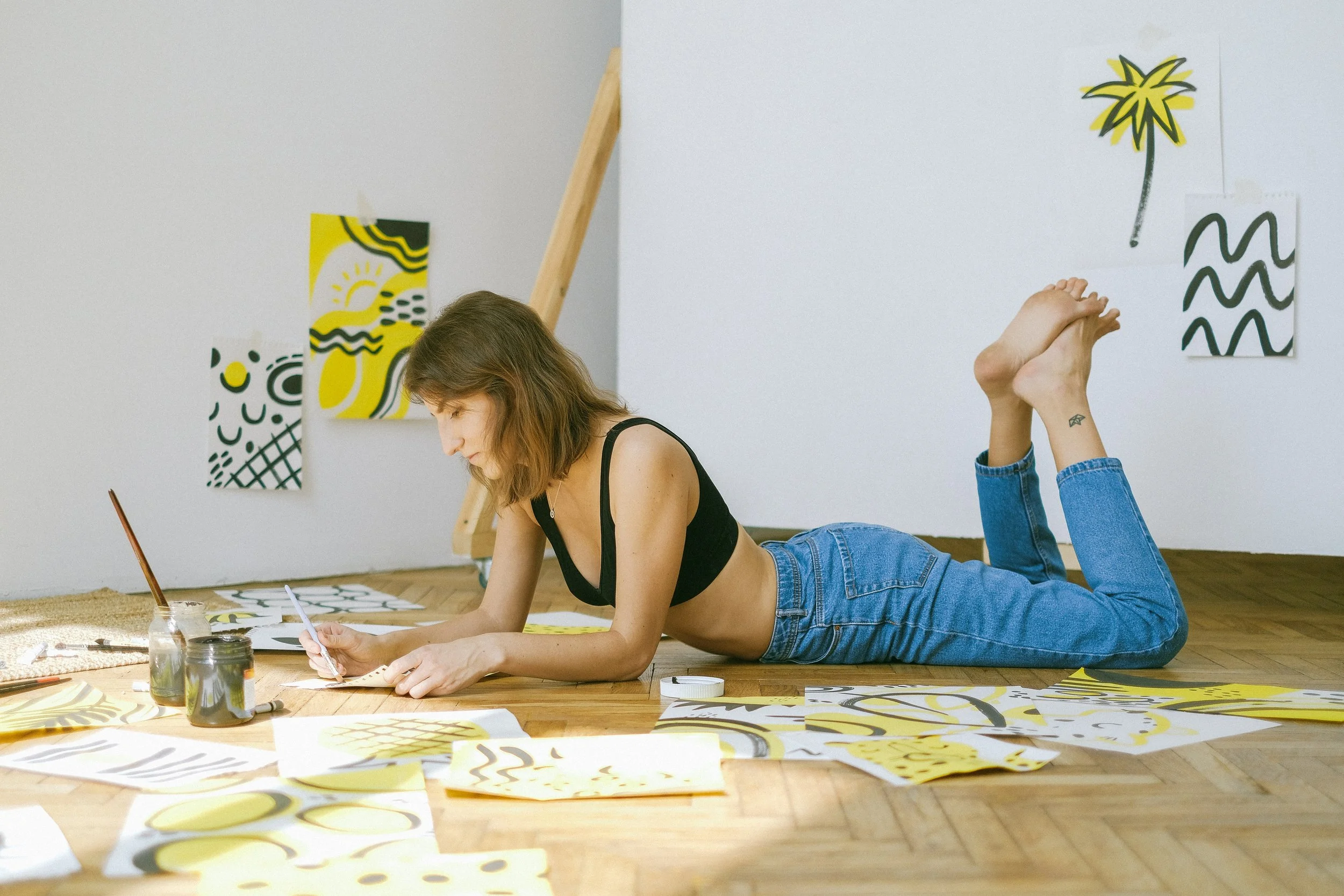
Art Therapy in the Comfort of Your Home or at a Brooklyn Wellness Studio in Williamsburg
Some days we might spend the entire session talking.
Other days we might begin with a brief check-in then a creative prompt before exploring what emerged.
There is no pressure to produce a masterpiece or complete an art piece in one session. Instead, we use creativity as a tool for reflection, emotional processing, and personal growth. Art directives can be especially useful when nothing is top of mind to prompt tapping into subconscious inner conflicts and material.
Whether we're working through anxiety, trauma, burnout, or relationship challenges, the focus is always on helping you better understand yourself and move toward greater balance.
Ready to Explore Art Therapy?
If you've been curious about scheduling an art therapy session online or in person in Brooklyn, I hope these myth busters helped answer some of your questions.
Beginning therapy can feel like a big step, but you don't need professional artistic experience, or even confidence in your creativity, to get started.
We offer a free 15-minute consultation where we can discuss your goals, answer your questions, and explore whether art therapy is the right fit for you. If our approach is not the best match, I'll do my best to connect you with a local therapist colleague who matches your therapy preferences.